


Cyber Threat Research Megalaboratory
The Cyber Threat Research Megalaboratory, established jointly with BI.ZONE, is operated by the Institute of Artificial Intelligence.
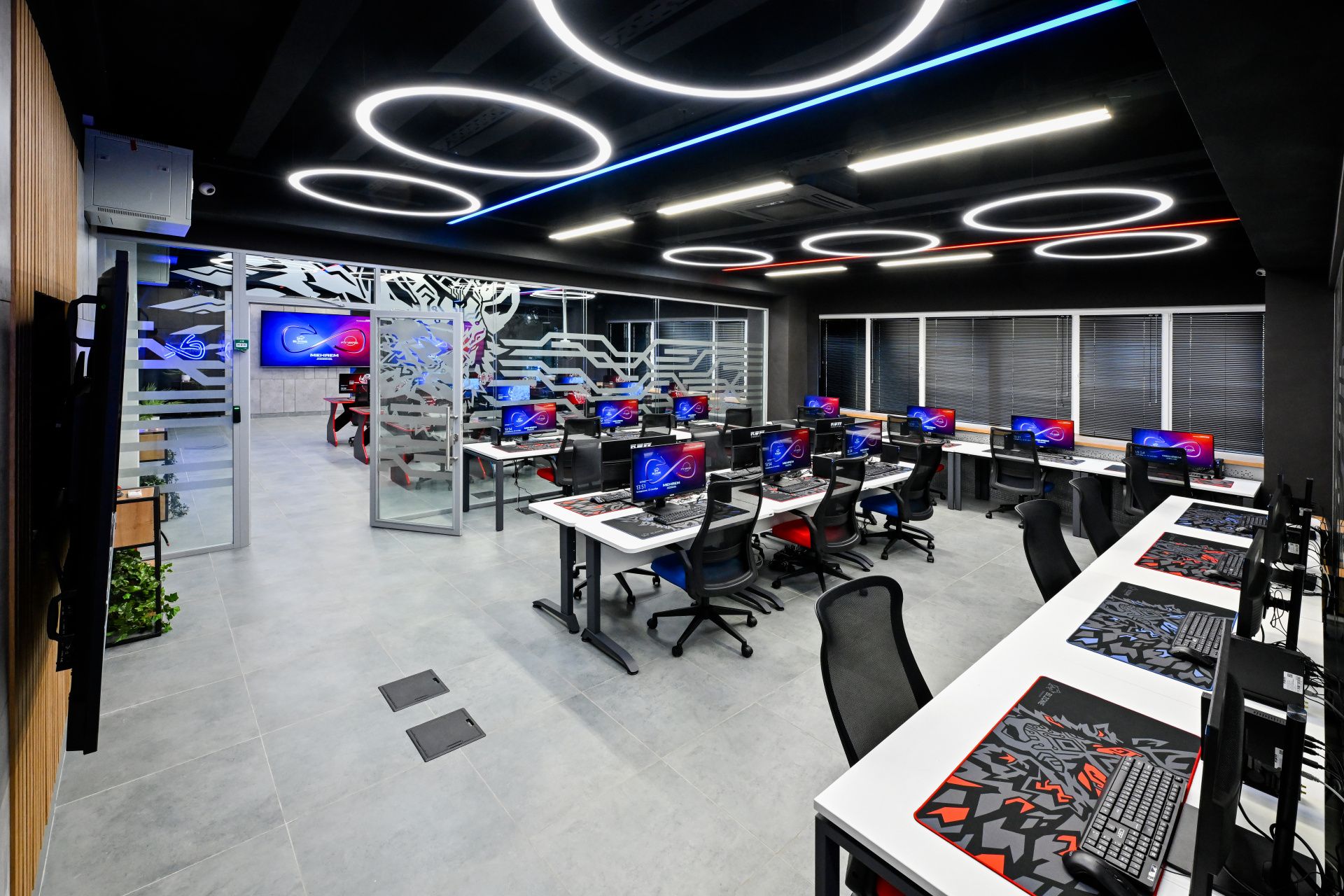
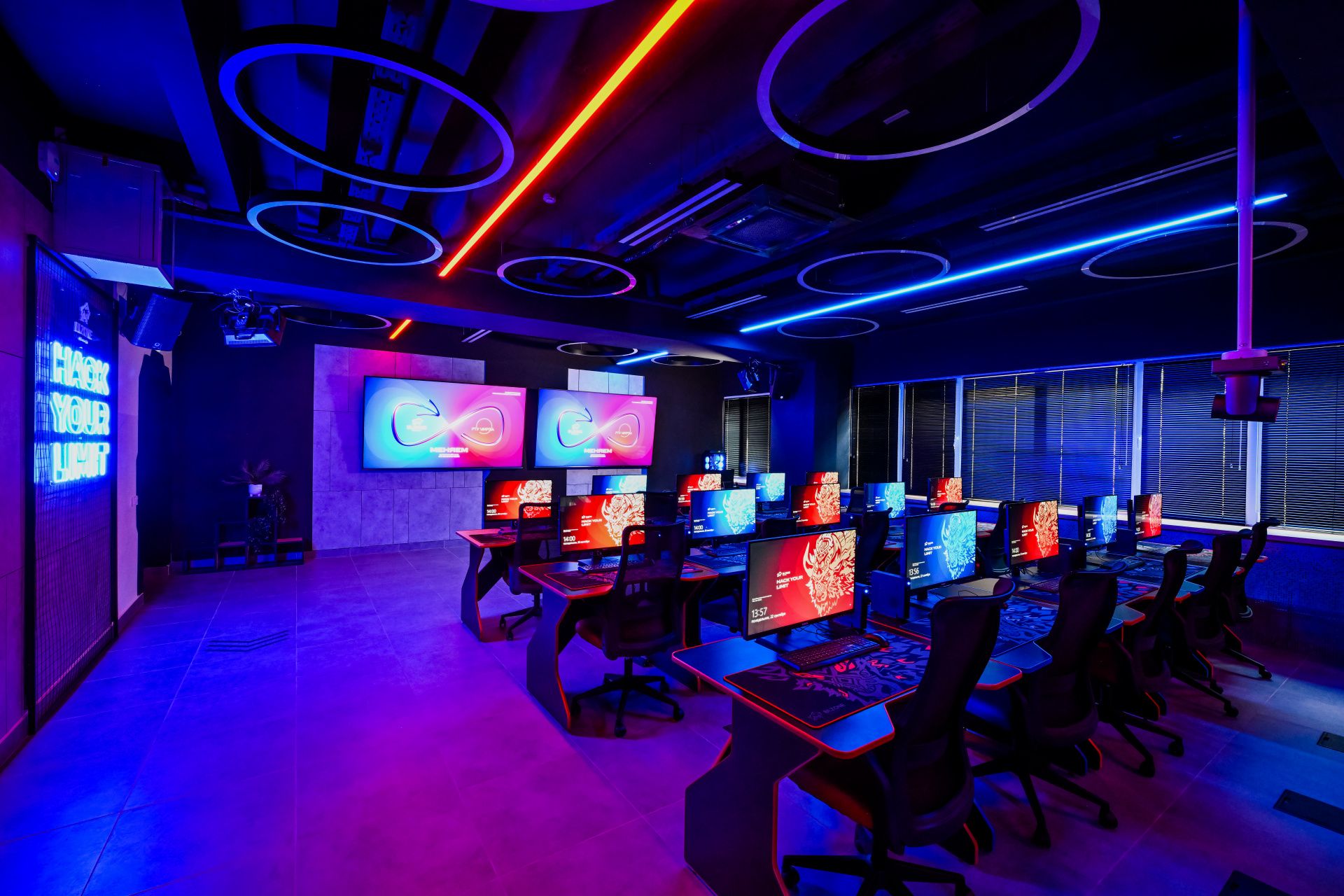
The Megalaboratory trains highly qualified specialists in cybersecurity and artificial intelligence. It is equipped with modern hardware and software that enable the simulation of real-world cyberattacks and development of defensive techniques. Students have access to unique educational programs developed by experts from RTU MIREA and BI.ZONE.
A defining feature of the Megalaboratory is its interdisciplinary orientation, integrating cyber threat analysis and response, research into AI security, and the development of secure (trusted) software. This approach enables the training of specialists capable of addressing both current and emerging challenges at the intersection of cybersecurity and artificial intelligence.
The Megalaboratory comprises three core laboratories that cover the full lifecycle of cybersecurity, from monitoring and incident response to proactive research and the development of secure solutions.
Using diverse IT infrastructure configurations deployed on the cyber range, students learn penetration testing, cyberattack monitoring, and defense techniques. They practice incident response procedures and participate in live cyber exercises.
2. AI Cybersecurity Testing Laboratory
In this laboratory, students study techniques for identifying vulnerabilities and executing attacks against artificial intelligence systems. They also gain hands-on experience in protecting AI models and ensuring data confidentiality during model training. The lab is equipped with high-performance computers featuring GPU accelerators for training and testing large neural networks.
3. Secure Software Analysis and Development Laboratory
Here, students master secure development principles (DevSecOps), learn to detect vulnerabilities in source code (SAST) and running applications (DAST), and to develop software resilient to cyber threats. The laboratory’s infrastructure includes code analyzers, dynamic application security testing platforms, and isolated workbenches for malware reverse engineering.
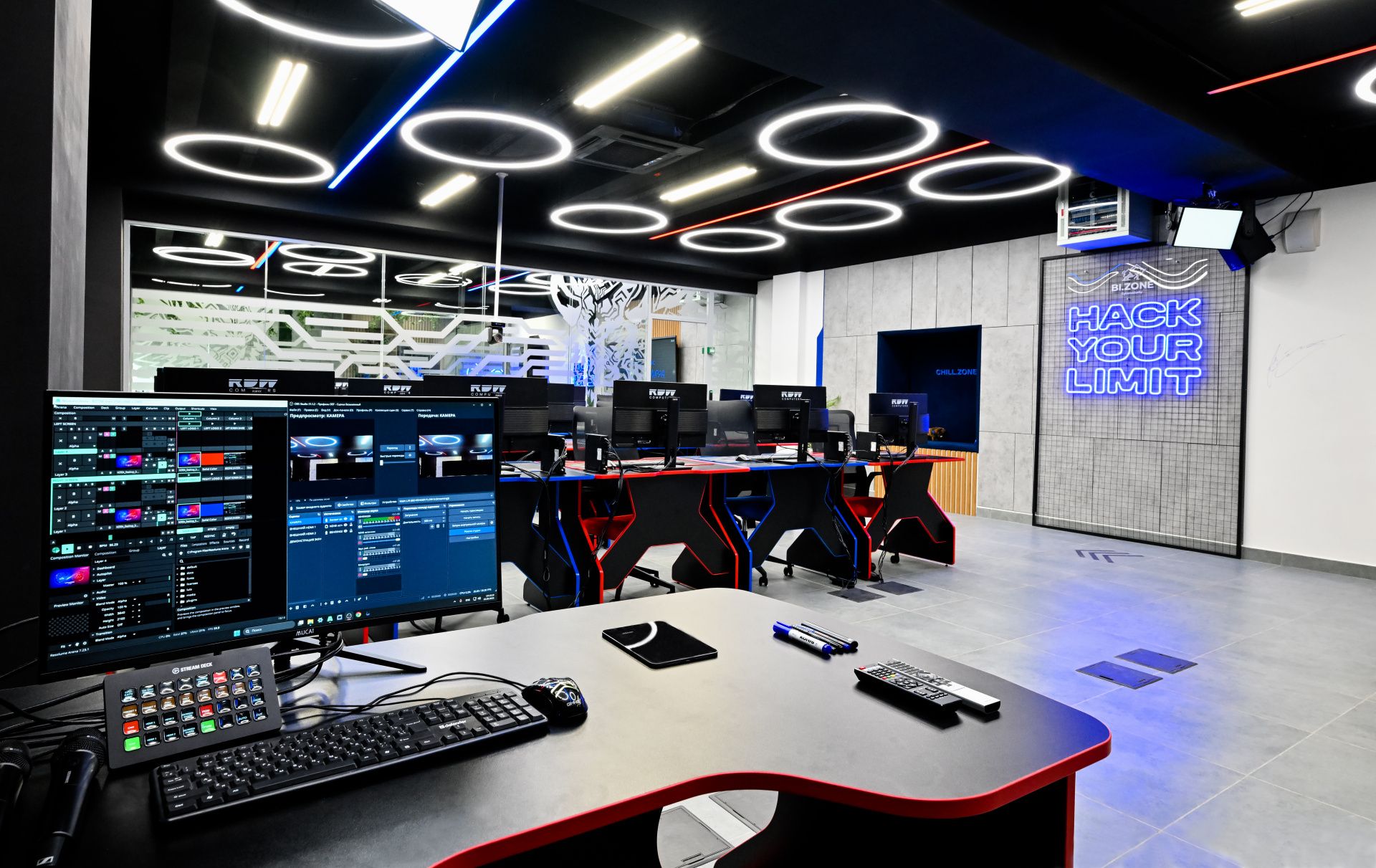
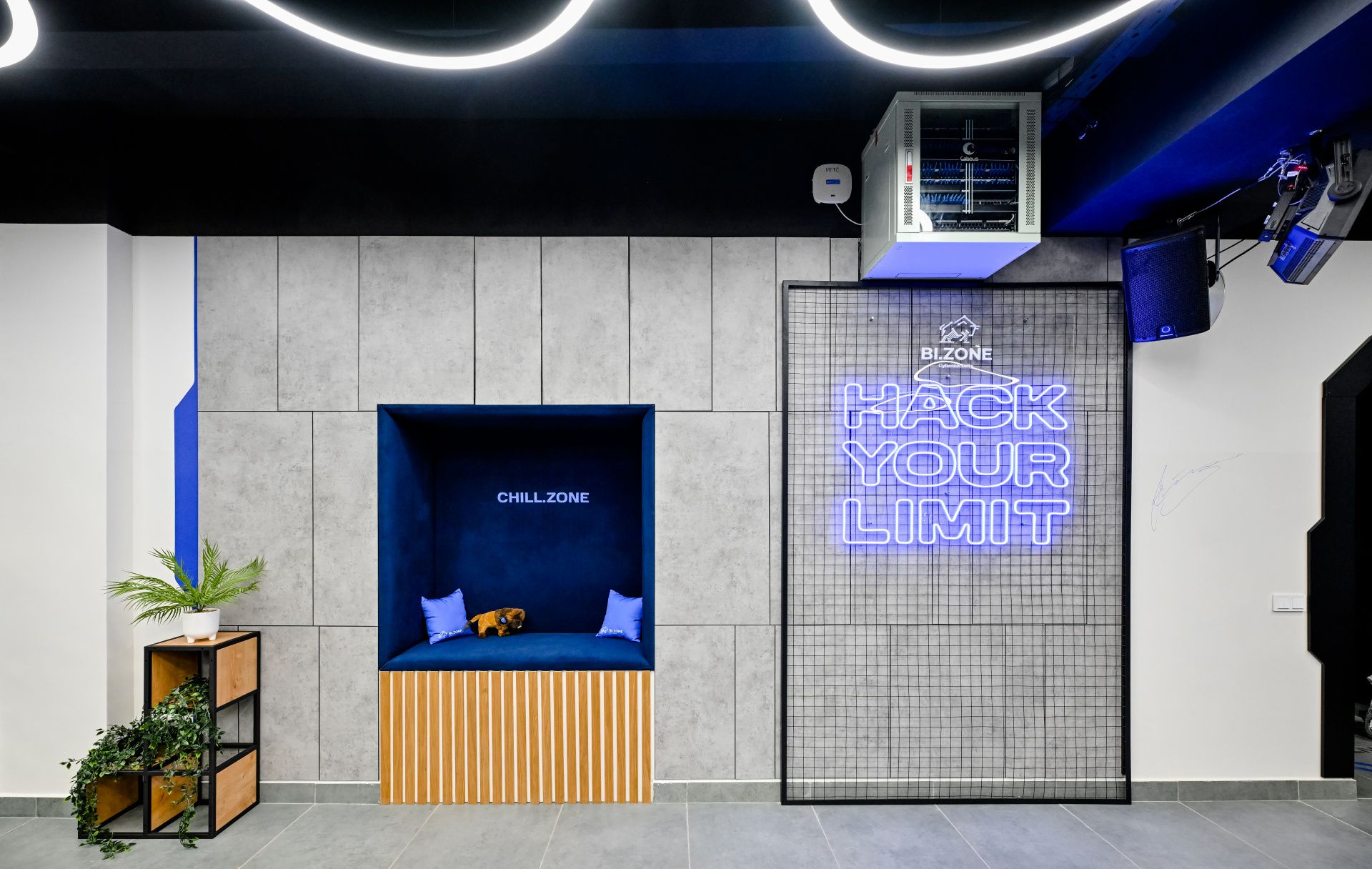
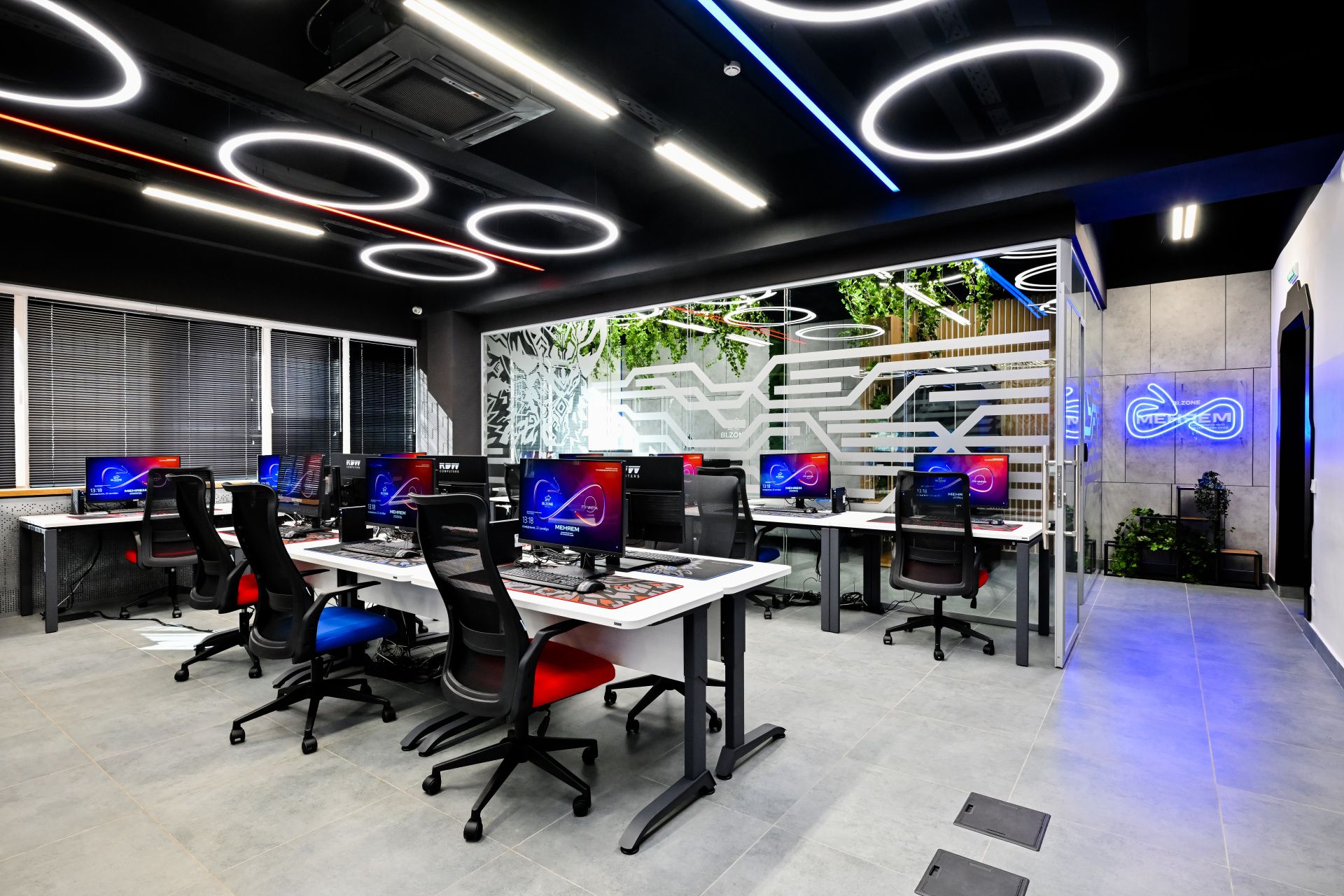
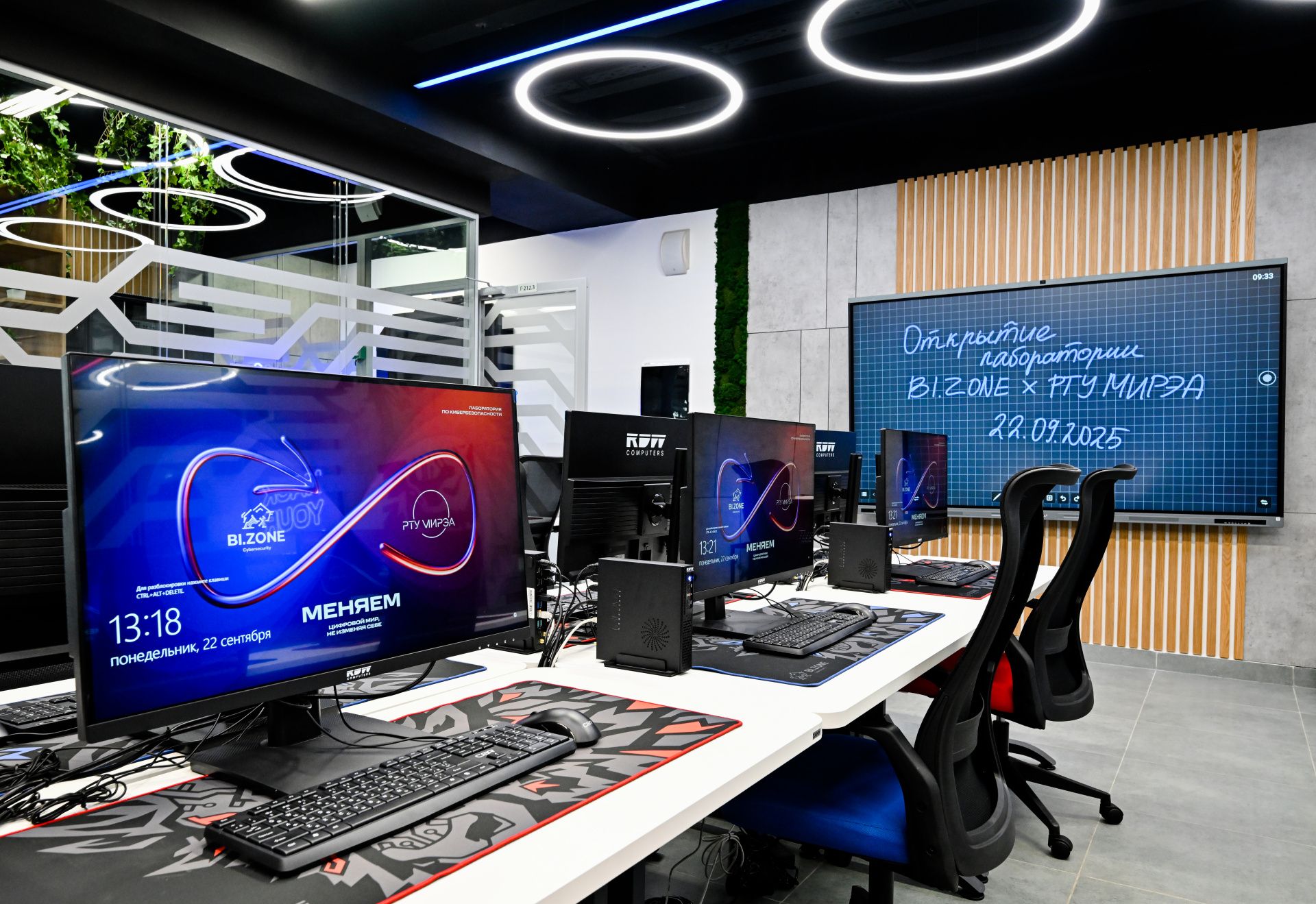
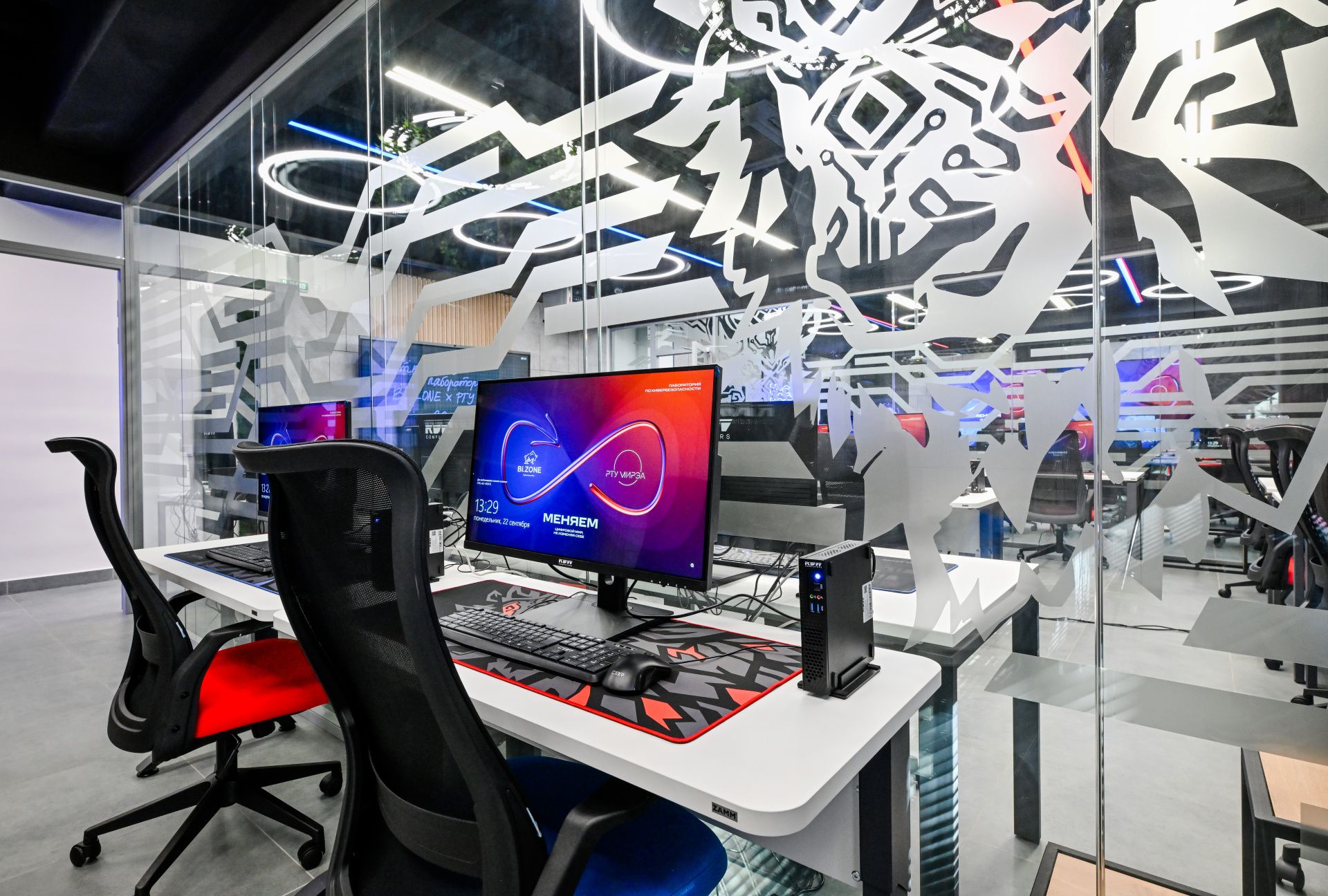


The Megalaboratory trains highly qualified specialists in cybersecurity and artificial intelligence. It is equipped with modern hardware and software that enable the simulation of real-world cyberattacks and development of defensive techniques. Students have access to unique educational programs developed by experts from RTU MIREA and BI.ZONE.
A defining feature of the Megalaboratory is its interdisciplinary orientation, integrating cyber threat analysis and response, research into AI security, and the development of secure (trusted) software. This approach enables the training of specialists capable of addressing both current and emerging challenges at the intersection of cybersecurity and artificial intelligence.
The Megalaboratory comprises three core laboratories that cover the full lifecycle of cybersecurity, from monitoring and incident response to proactive research and the development of secure solutions.
Organizational Structure:
1. Cyber RangeUsing diverse IT infrastructure configurations deployed on the cyber range, students learn penetration testing, cyberattack monitoring, and defense techniques. They practice incident response procedures and participate in live cyber exercises.
2. AI Cybersecurity Testing Laboratory
In this laboratory, students study techniques for identifying vulnerabilities and executing attacks against artificial intelligence systems. They also gain hands-on experience in protecting AI models and ensuring data confidentiality during model training. The lab is equipped with high-performance computers featuring GPU accelerators for training and testing large neural networks.
3. Secure Software Analysis and Development Laboratory
Here, students master secure development principles (DevSecOps), learn to detect vulnerabilities in source code (SAST) and running applications (DAST), and to develop software resilient to cyber threats. The laboratory’s infrastructure includes code analyzers, dynamic application security testing platforms, and isolated workbenches for malware reverse engineering.






© 2026 MIREA - Russian Technological University

